 GOLDSNIPER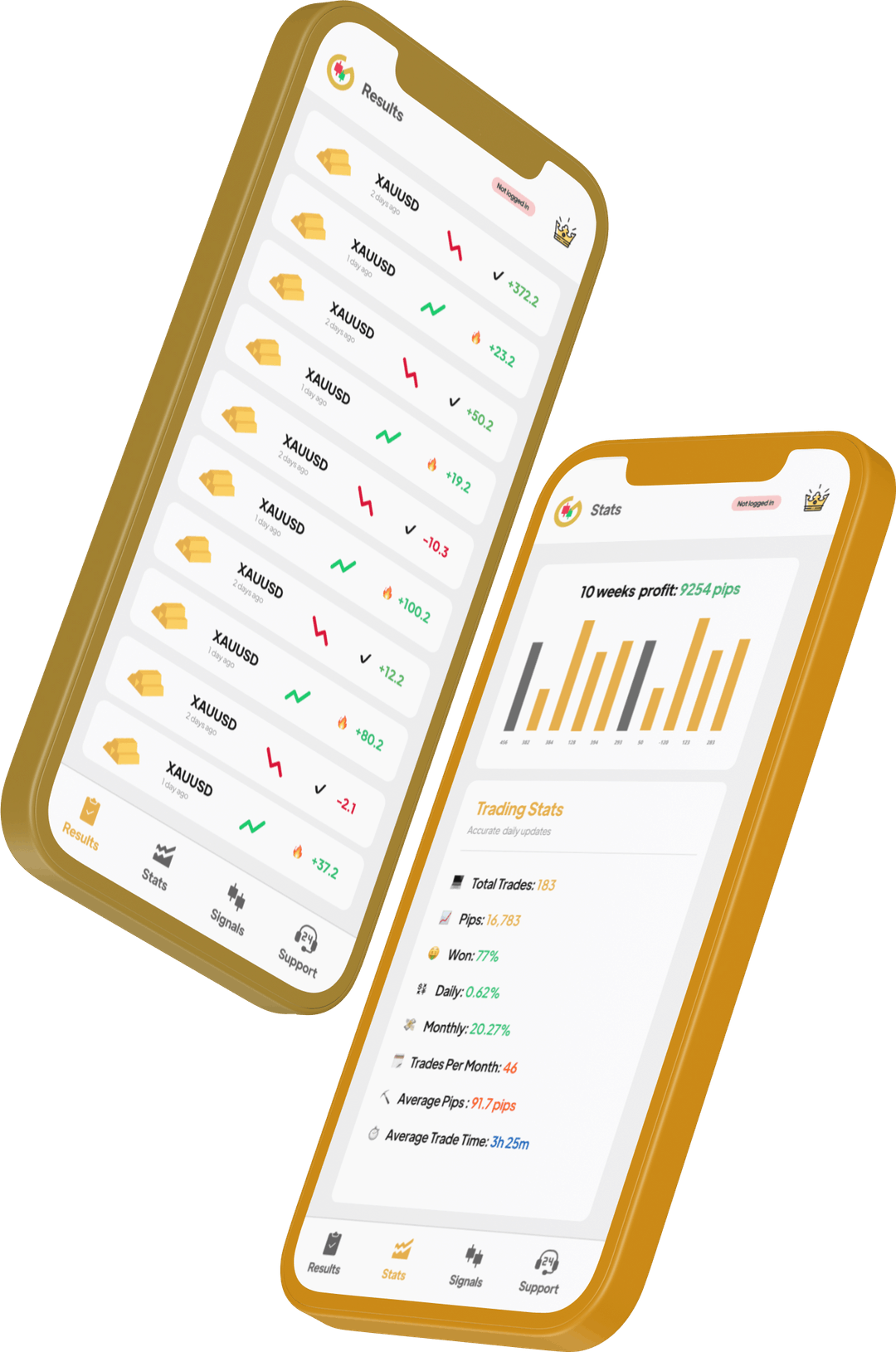
1. Market context
Analysts start with the higher-timeframe XAU/USD trend, session liquidity, DXY direction, Treasury yield behavior, and scheduled catalysts such as CPI, NFP, FOMC minutes, or central bank speeches.
Analysts start with the higher-timeframe XAU/USD trend, session liquidity, DXY direction, Treasury yield behavior, and scheduled catalysts such as CPI, NFP, FOMC minutes, or central bank speeches.
The team maps support, resistance, moving averages, trendlines, volatility ranges, and recent impulse moves. A setup needs a clear entry area, invalidation point, and at least one logical target.
Signals are rejected when spreads are abnormal, liquidity is thin, volatility is disorderly, or a major release is too close. The goal is to publish fewer, cleaner signals rather than force trades.
Approved setups are sent with trade direction, entry, stop-loss, and take-profit levels. Management updates can follow when price reaches targets, invalidates the setup, or requires defensive adjustment.
Performance is calculated across closed signal history, including wins and losses. It is a historical record, not a guarantee of future results. Market conditions change, and leveraged trading can amplify losses.
A GoldSniper setup is not complete until the downside is defined. Stop-loss placement comes from market structure, not an arbitrary fixed distance. Take-profit levels are staged around nearby liquidity, prior swing points, and session volatility. Traders can then size positions around their own risk tolerance before entering.
For definitions of terms like pip, spread, support, resistance, and stop-loss, use the gold trading glossary.
GoldSniper generates XAU/USD signals by combining technical structure, macro catalysts, volatility filters, and risk controls. Analysts review support, resistance, trend, liquidity, DXY, yields, and scheduled events before publishing entries. Every signal includes entry, stop-loss, and take-profit levels so the trade plan is defined before execution. See the gold trading glossary.
GoldSniper reports a 93% win rate across more than 1,200 closed signals since 2018. The average winning trade captures 91.7 pips, with an average duration of 3 hours 25 minutes. Performance is tracked from closed signal logs, including wins and losses, rather than selective screenshots. See the gold trading glossary.
GoldSniper manages risk with pre-defined stop-loss levels, staged take-profit targets, volatility-aware position planning, and avoidance rules around dangerous news conditions. Signals are designed around controlled downside first. Traders still choose their broker, account size, lot size, and risk per trade. See the gold trading glossary.
GoldSniper uses both technical and fundamental analysis. Technical analysis defines entry zones, invalidation, targets, and trend structure. Fundamental analysis checks the macro backdrop, including Federal Reserve policy, US dollar direction, real yields, inflation data, and geopolitical risk. Signals require alignment between price structure and catalyst risk. See the gold trading glossary.